Boston, MA Neighborhood Guide for Young Professionals
Explore Boston’s young-pro vibe: 83 Walk Score, MBTA T access, $708,909 median condo price, Seaport nightlife, and car-optional living.
Written ByRozita Taba
PublishedAugust 31, 2026
I'm Rozita Taba, a luxury real estate agent in Newton, MA, guiding sellers and buyers across Brookline, Wellesley, Weston & Boston with a Top 1% track record. Let's talk. Serving Newton, Brookline, Needham, Boston, Wellesley and Weston, MA.
Boston, MA
Region
In July 2026, the median sale price for homes in Boston, MA was $879,000, up 7.2% from a year earlier.
Boston is one of those rare cities where a car-optional life is genuinely within reach. You can walk to your favorite coffee shop in the morning, catch a train to work, and still make it to a waterfront rooftop bar by six—all without touching a steering wheel. For young professionals building careers in tech, finance, biotech, or medicine, the city delivers on both opportunity and lifestyle in a way few others can. Here's what you should know before you settle in.
What Is Boston, MA Really Like for Young Professionals?
Boston feels like a big city with the intimacy of a walkable college town—fast-paced and career-driven, yet genuinely livable. The energy is unmistakable, fueled by an economy that leans heavily on tech, finance, biotech, and some of the best healthcare and higher education anywhere.
The contrast is what makes it special. One block you're passing 18th-century brick and cobblestone; the next, you're standing outside a glass-walled innovation lab. Greater Boston is home to more than 5 million people, with a median household income north of $123,000, and the professional social scene reflects that wealth—world-class dining, a craft brewery culture that keeps expanding, and a nightlife calendar that keeps rooftop lounges and cocktail bars humming well past dark.
When I show homes to first-time buyers relocating here—often from New York or Washington, D.C., two of Boston's biggest sources of inbound migration—the reaction is almost always the same. They're surprised how quickly the city starts to feel like a neighborhood rather than a metropolis. Compared to the leafier, quieter suburbs like Newton or Brookline, where many of my clients eventually land, Boston proper is where you want to be in your late 20s and early 30s: dense, social, and endlessly connected.
What Are Condos and Townhomes Like in Boston, MA?
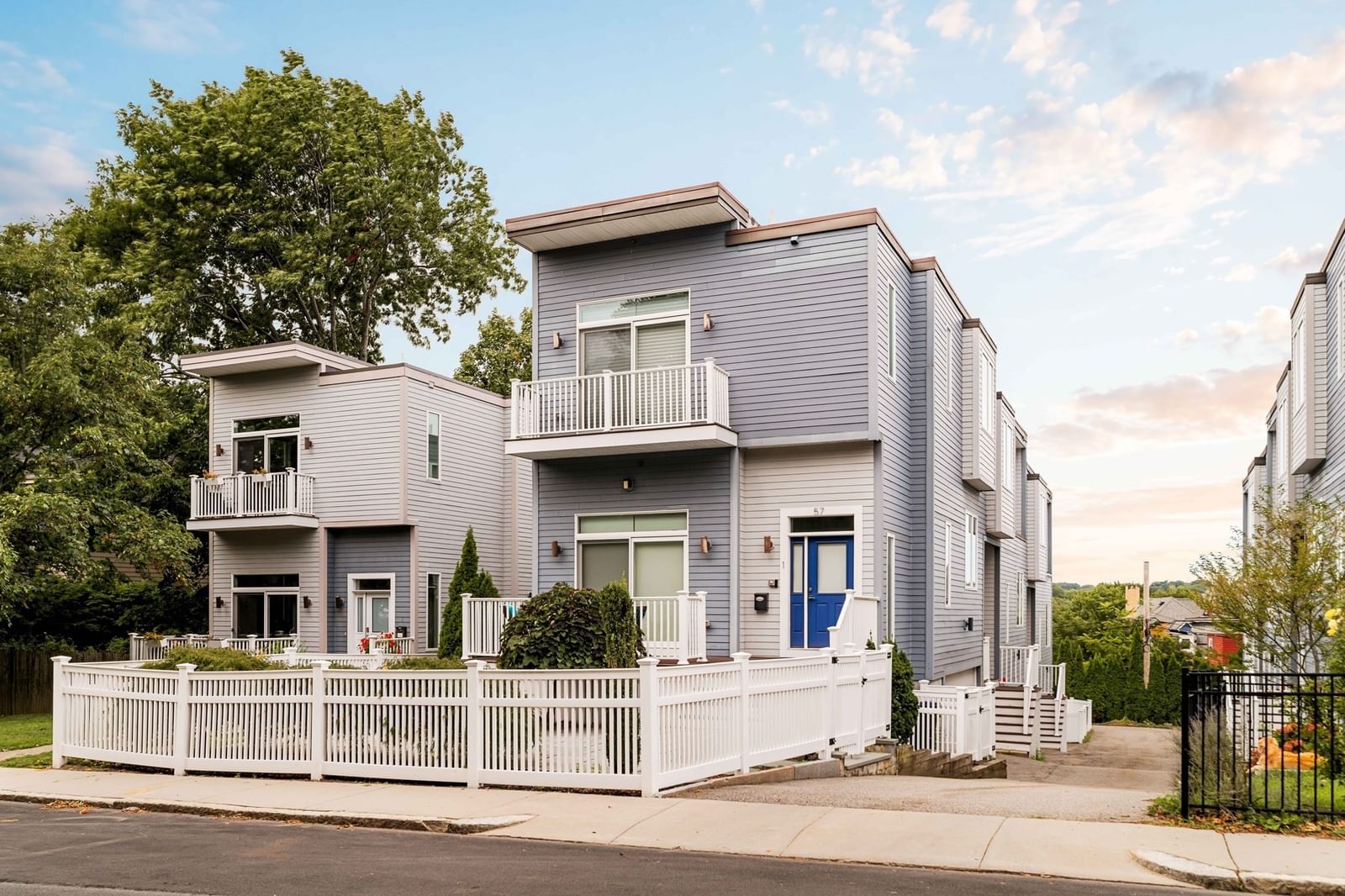
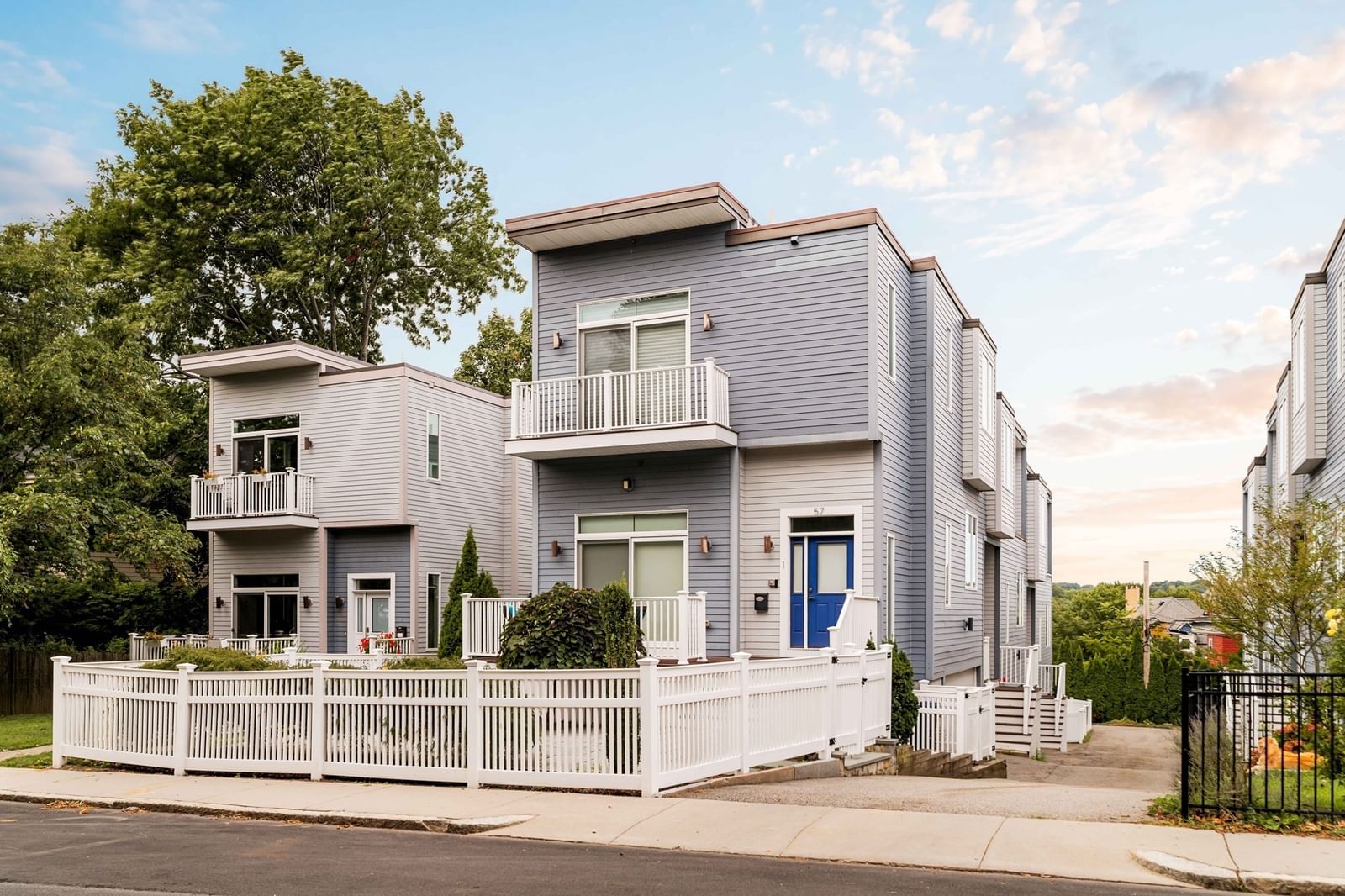
For young professionals, Boston's housing market is overwhelmingly a condo-and-townhome market, ranging from historic brownstone conversions to sleek full-service high-rises. As of June 2026, the median sold price for a Boston condo or townhouse was $708,909, with a median of 29 days on market and roughly 9.9 months of supply—which means buyers actually have room to breathe and negotiate right now.
Boston Condo Market Snapshot: June 2026
A quick read for young professionals weighing a first purchase or rent-vs-buy move: Boston condos show a $708,909 median sold price, 29 median days on market, and nearly 10 months of supply.
•Historic brownstone conversions — Victorian and Federal-style rowhouses in neighborhoods like the South End and Back Bay, carved into character-rich multi-family condos. Expect charm, bay windows, and sometimes original detail—along with the maintenance quirks that come with an older building.
•Modern high-rise condos — Full-service buildings, concentrated heavily in the Seaport, with concierge service, fitness centers, and rooftop decks. Higher price points and higher HOA dues, but turnkey convenience.
•Triple-decker conversions — In neighborhoods like East Boston and Jamaica Plain, older two-to-four-unit buildings converted into condos offer a more attainable entry point.
One thing I always tell buyers: lot size is essentially irrelevant here. This is dense urban living, and you're buying location and low-maintenance convenience over yard space. If you want grass, you go to the Common.
For anyone weighing where to rent before buying, the price spread across neighborhoods is significant.
Median 1BR Rent in Young-Professional Neighborhoods
Seaport/Fort Point and South End command the highest one-bedroom rents among the featured young-professional neighborhoods, while Allston and Brighton remain comparatively more accessible.
Seaport/Fort Point and South End command the highest one-bedroom rents among the featured young-professional neighborhoods, while Allston and Brighton remain comparatively more accessible.
Seaport and the South End sit at the top of the rent scale, while neighborhoods like Allston, East Boston, and Jamaica Plain remain far more accessible. If you're a Blue Line commuter watching your budget, East Boston deserves a serious look—its condo prices span a wide range depending on the submarket.
East Boston Condo Price Map by Submarket
For Blue Line commuters, East Boston offers a wide condo price spectrum—from premium waterfront inventory to more attainable options in Bellingham Square and Eagle Hill.
For Blue Line commuters, East Boston offers a wide condo price spectrum—from premium waterfront inventory to more attainable options in Bellingham Square and Eagle Hill.
A practical heads-up on ownership costs: Boston residential property taxes are projected to climb, with increases hitting condo owners in the coming years. It's a real line item, so factor it into your budget alongside HOA dues.
Where Do Young Professionals Gather in Boston, MA?
Boston's social life clusters around its green spaces, its waterfront, and a handful of high-energy commercial hubs. These are the places where people start their mornings, network after work, and unwind on weekends.
•Boston Common & the Public Garden — The city's historic green heart, perfect for a lunch break, a jog, or a Sunday reset in the middle of downtown.
•The Seaport District — Boston's trendiest waterfront hub, packed with upscale restaurants, rooftop bars, and innovation-economy offices. It's where a huge share of young professionals both work and play.
•The Charles River Esplanade — The go-to spot for running, cycling, kayaking, and outdoor community events, with skyline views that make the workout worth it.
If you land downtown or in the Financial District, the everyday amenities are excellent too. I've had clients who barely notice they've stopped driving—they grab a morning coffee at Gracenote Coffee , get their steps in at Post Office Square , and have everything they need within a few blocks. That kind of density is exactly what makes the car-optional life so easy.
How Is the Commute in Boston, MA?
Boston is a genuine commuter's dream—one of the most walkable and transit-connected cities in the country. The city earns a Walk Score of 83/100, a Transit Score of 72/100, and a Bike Score of 69/100, and several neighborhoods put you downtown in ten minutes or less.
Commuter’s Dream: Mobility Snapshot
Boston’s car-light lifestyle is a major draw: high walkability, strong transit access, and several neighborhoods with fast rail connections into downtown.
•The MBTA "T" subway — The Red, Orange, Green, and Blue lines fan out across the city. Cambridge is under 10 minutes via the Red Line, East Boston under 10 minutes on the Blue Line, Jamaica Plain about 20 minutes on the Orange Line, and Allston-Brighton lands downtown in 20 to 30 minutes.
•Major rail hubs — South Station and Back Bay Station connect you to the Commuter Rail and Amtrak, which matters if your work takes you out to the suburbs or down the Northeast Corridor.
•Bikes and walking — The Bluebikes bike-share network is extensive, and in most core neighborhoods you simply won't need a car for daily life.
When clients ask me where to live based on their office, my answer is almost always the same: follow the line. Heading to Kendall Square or Cambridge? Prioritize the Red Line. Working in the Seaport? South Boston and the waterfront keep you close. In this city, your commute matters far more than square footage—and once you're plugged into the right line, Boston stops feeling large and starts feeling effortless.
A final word from the ground: Boston rewards young professionals who prioritize location and lifestyle over space. Inventory is healthier than it's been in a while, which gives buyers real negotiating room this year, and the mix of historic character and modern convenience is tough to beat. Whether you're renting your first place in Allston or ready to buy a condo in the South End, the key is matching your home to your commute and your budget to those rising ownership costs. Get those two things right, and Boston becomes exactly the city it promises to be.
Is Boston, MA a good place to live for young professionals and small households?
Boston, MA offers dense, walkable urban living with strong access to jobs, transit, restaurants, nightlife, and green spaces. It feels fast-paced and career-driven, but still livable because many daily needs can be handled on foot, by bike, or by the MBTA.
What are condos and townhomes like in Boston, MA?
Boston, MA is largely a condo-and-townhome market for buyers who want low-maintenance city living. Common options include historic brownstone conversions in areas like the South End and Back Bay, modern full-service high-rises in the Seaport, and triple-decker condo conversions in neighborhoods such as East Boston and Jamaica Plain.
How much do condos and townhomes cost in Boston, MA?
As of June 2026, the median sold price for a Boston condo or townhouse was $708,909. The median days on market was 29, with about 9.9 months of supply, giving buyers more room to compare options and negotiate than in tighter market conditions.
Are HOA fees and ownership costs important in Boston, MA?
Yes. Boston condo buyers should budget for HOA dues in addition to the purchase price, especially in full-service buildings with amenities such as concierge service, fitness centers, and rooftop decks. Residential property taxes are also projected to rise, which could increase carrying costs for condo owners.
Is Boston, MA affordable for renters or first-time buyers?
Affordability varies significantly by neighborhood. Seaport and the South End are among the higher-rent areas, while Allston, East Boston, and Jamaica Plain are more accessible options. East Boston can be especially relevant for budget-conscious Blue Line commuters because condo prices vary widely by submarket.
How is the commute in Boston, MA without a car?
Boston, MA is one of the most walkable and transit-connected cities in the country, with a Walk Score of 83, Transit Score of 72, and Bike Score of 69. The MBTA Red, Orange, Green, and Blue lines connect core neighborhoods to downtown, Cambridge, East Boston, Jamaica Plain, and Allston-Brighton.
What should buyers know about schools and education in Boston, MA?
Boston, MA is strongly shaped by world-class higher education, healthcare, biotech, finance, and technology. The city has a career-driven atmosphere and a large professional population, but neighborhood-level K-12 school ratings are not established by the available housing and lifestyle data.
Is Boston, MA a good fit for families who want space?
Boston, MA is better suited to buyers who prioritize location, transit access, and convenience over private yard space. The city is dense, and lot size is generally not a major feature of the housing market; residents often rely on public green spaces such as Boston Common, the Public Garden, and the Charles River Esplanade.